
Patios that fit Truro homes
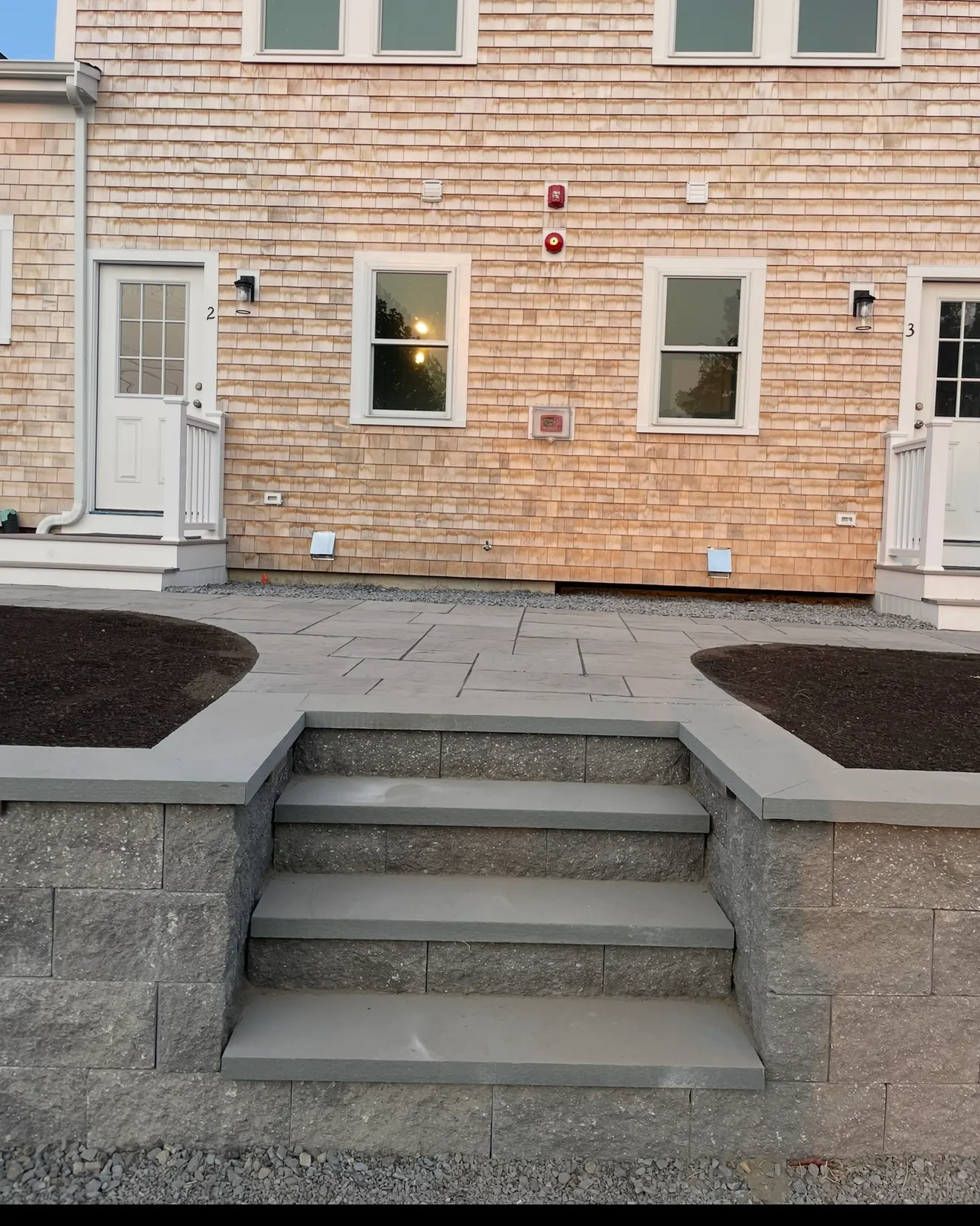
Truro has two villages, Truro and North Truro, and the land between them is not flat. It rolls, with hills and coastal dunes, and it generally slopes down from the Atlantic side toward Cape Cod Bay. A patio here often has to work with the grade instead of ignoring it. On a sloped lot, a raised patio with stone steps and a seat wall can level the space and hold the soil in place. Our page on Truro seat walls and retaining walls explains how that works.
Truro is described as a summer vacation community, and many houses are used for only part of the year. That changes what a patio needs. Owners want a surface that sits through a closed-up winter and looks ready in spring with little work. Tight joints and a stable base matter more than fancy detail.
Building near wetlands and dunes in Truro
The Truro Conservation Commission administers the Wetlands Protection Act and the Rivers Protection Act in town. Any work within 100 feet of a wetland needs a permit. That includes clearing, filling, grading, building or altering the ground. Work within 200 feet of a river or perennial stream needs review, and vernal pools are covered too. With several small ponds and a lot of coastline, many Truro lots touch one of these zones.
Coastal resource areas matter as well. Past commission filings list coastal banks, coastal dunes, barrier beaches and land subject to coastal storm flowage, and the town has its own local bylaw. Those records are a few years old, so rules may have changed. Before you settle on a layout, contact the Truro Conservation Commission and ask the Conservation Agent whether your address falls in a protected area. A patio plan is easier to change on paper than after the stone is delivered.
Sand, frost, salt air and erosion
Sandy coastal ground drains fast, which helps. It also shifts. A patio base on sand has to be dug down to firm ground, built up in compacted layers and held at the edges so the pavers or stone do not creep. If the base is thin or loose, the surface settles and the joints open up.
Freeze-thaw is the other test. Water gets into joints, freezes and pushes the surface up. Good drainage under and around the patio gives that water somewhere to go, and the grade should carry runoff away from the house instead of toward it. Salt air and wind are hard on anything left outside, so choose materials that need little care.
Erosion is part of life in Truro too. Highland Light had to be moved inland in 1996 because of it. If your lot sits near a bluff or dune edge, keep runoff from pouring over it and ask the commission what is allowed there.
Timing a Truro patio around the season
Truro fills up in summer, and many owners want the patio finished before the house does. That means planning starts well ahead of the season. The estimate and any commission review come before the first dig, and a late start can push a build past the date you wanted.
Fall and spring are good times to start. The ground is workable, the house is often empty and there is room to plan without guests in the way. Owners who rent out their homes can build in the off season so the patio is ready for the first booking. Winter frost slows digging and base work, so do not count on it.
Popular patio projects for Truro homes
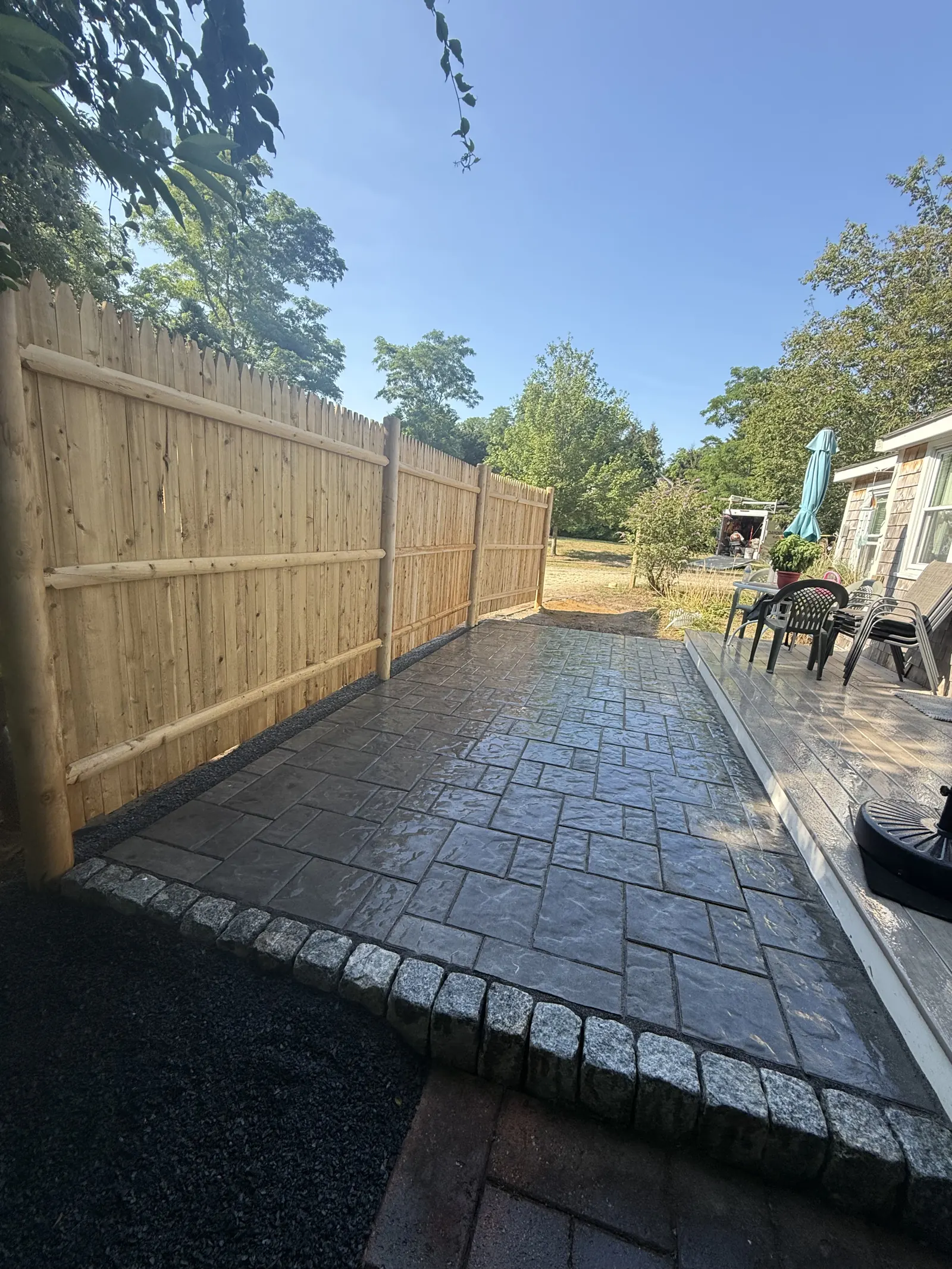
Most Truro patio requests start with one of a few ideas. Paver patios for Truro homes suit lots that need a firm, repairable surface, since a single paver can be lifted and reset. Bluestone patios in Truro give a natural stone look that weathers well outdoors.
Evenings turn cool near the water, so fire pits for Truro patios stretch the season. Where the lot slopes, patio steps and walkways in Truro connect the patio to the door and the driveway.
Serving Truro from South Yarmouth
Cape Cod Patio Pros is a masonry and hardscape contractor based in South Yarmouth, and it serves Truro along with other Cape Cod towns and Plymouth. Highland Light in North Truro is an easy landmark when you tell us where you are. You can see the full list of towns served or read the Cape Cod patio installation overview for more on how patios are built.